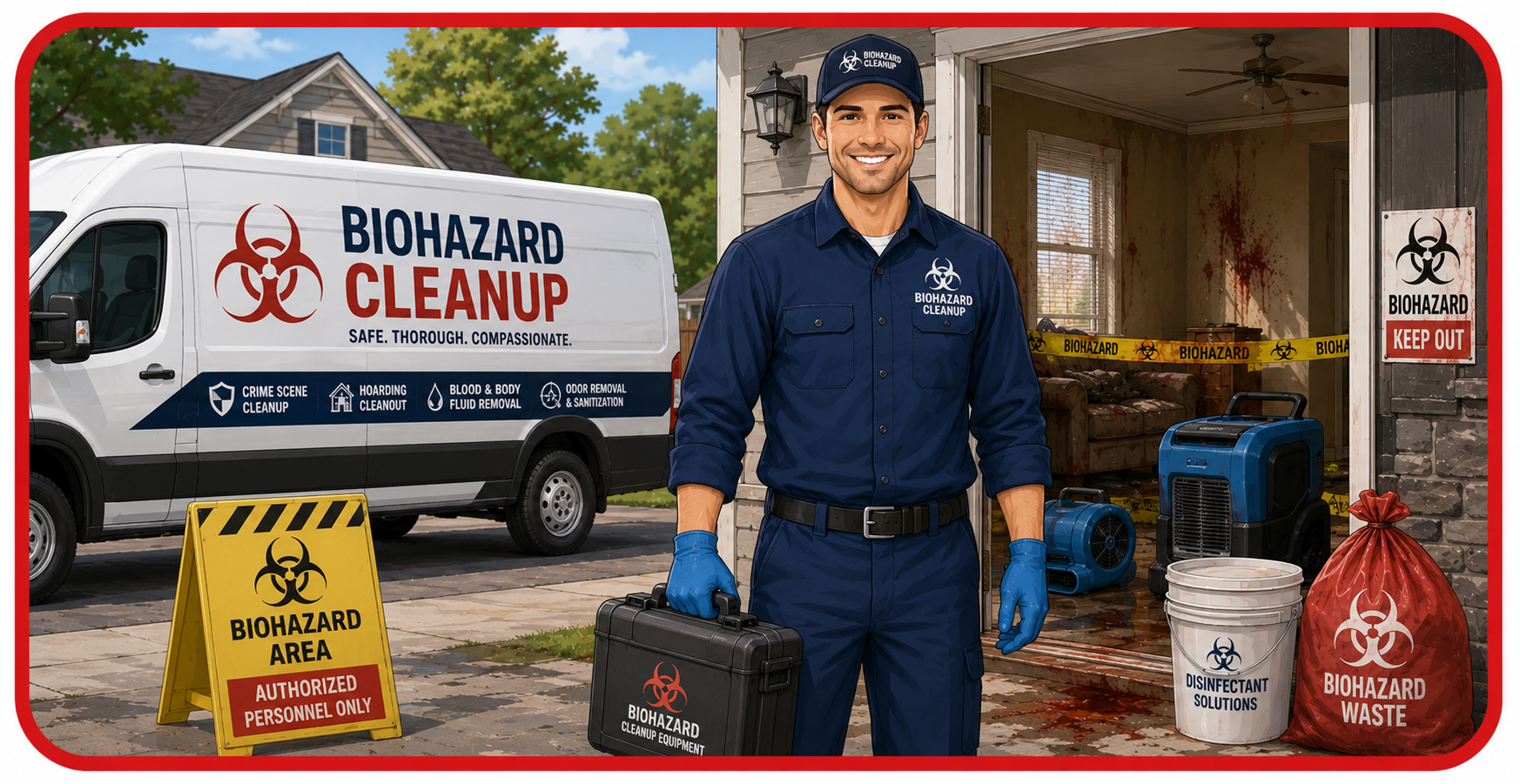
Sprays mask odors. Candles mask odors. We eliminate them at the molecular level. Our hydroxyl generators, ozone treatment systems, and thermal fogging technology destroy odor-causing compounds in the air and embedded in surfaces — permanently, without fragrance coverup.
Every fresh-smelling property we restore stays that way — because we address the molecular chemistry of odor, not just the sensory experience of it.
Hydroxyl radicals and ozone molecules react with and break down odor-causing volatile organic compounds (VOCs) at the molecular level — permanently neutralizing the source.
We locate every odor source before treatment begins. Treating air while the source material remains is wasted effort — we identify and address the origin, not just the symptom.
Pet odors, smoke, decomposition, mold, and cooking odors each have different chemical compositions. We match the treatment method to the molecular structure of the specific odor category.
Our treatments produce lasting results because we eliminate compounds rather than covering them. No return of odor when fragrance fades — because there is no fragrance masking anything.
A full suite of odor treatment technologies, deployed in the right combination for your specific situation in Washington.
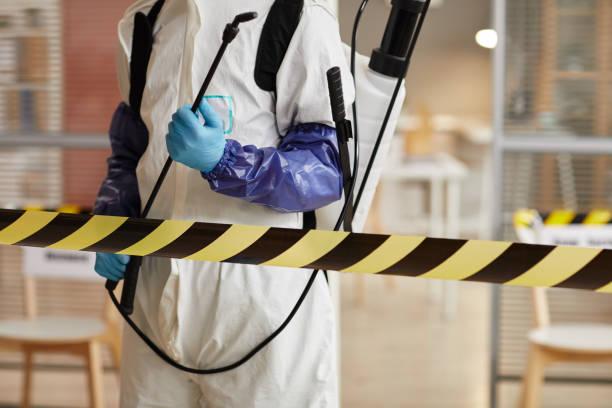
Effective odor elimination begins with a systematic source search — because treating the air of a property that has an unresolved source is a temporary fix at best. Our technicians use moisture meters (wet materials harbor odor-producing microbial activity), borescope inspection (to check wall cavities and duct interiors), and UV lights (to reveal biological contamination invisible to the naked eye) to locate every odor source in your Washington property before any treatment equipment is deployed. A written source report is provided with all findings.
Ozone (O3) is a triatomic form of oxygen that is highly reactive — it attacks and breaks down odor-causing VOCs by oxidizing the carbon bonds in their molecular structure. This oxidation permanently destroys the compounds that create odors, rather than masking or absorbing them. Ozone treatment is particularly effective for smoke odors (both cigarette and fire damage), mold and mildew odors, and severe organic odors from decomposition or animal waste. Properties must be fully vacated during ozone treatment — all occupants, pets, and plants — and ventilated for a minimum period before re-entry, which our team manages and documents.
Hydroxyl generators produce hydroxyl radicals (OH) through a photocatalytic process that mimics the outdoor atmospheric chemistry by which the earth naturally purifies air. Unlike ozone, hydroxyl treatment is safe for occupied spaces — people, pets, and plants can remain during treatment. Hydroxyl generators are highly effective for ongoing or chronic odor situations, properties that cannot be vacated, and post-restoration odor management in occupied buildings in Washington. Treatment runs continuously over several days for optimal results in heavily affected properties.
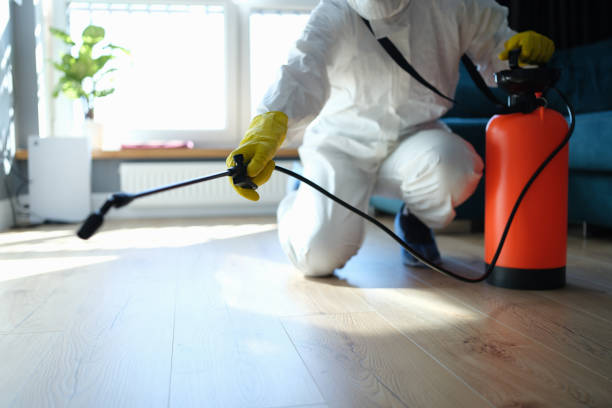
Thermal fogging heats a specially formulated odor-counteractant solution to create a fine fog of particles that penetrate porous materials — carpet, drywall, upholstery, wood — at a depth that spray-applied products cannot reach. The fog particles are matched in size to the original odor particles, allowing them to reach and chemically neutralize odor compounds embedded deep within material fibers. Thermal fogging is the preferred method for post-fire smoke odor treatment and for severe pet odor in properties where carpet and drywall have been contaminated over years.
HVAC systems are the single most common reason odor treatment fails to produce lasting results in a property. Odor compounds settle on duct walls, evaporator coils, and blower components and are re-distributed throughout the property every time the system runs. Our HVAC deodorization service combines professional duct cleaning with an enzyme-based or ozone-based treatment of all internal HVAC surfaces, followed by deployment of an in-duct hydroxyl system to handle ongoing odor management in properties with chronic issues. We clean and deodorize at the coil, where microbial growth from moisture is a persistent odor source in Washington, DC's climate.
In some cases — particularly with fire-damaged wood framing, concrete subfloor soaked with pet urine over years, or OSB subfloor with embedded smoke residue — odor compounds are too deeply embedded in a porous material to be fully eliminated by air-phase treatments alone. Surface encapsulation applies a vapor-barrier sealant over these materials, physically preventing the off-gassing of odor compounds from reaching the air space. This is not masking: the encapsulant seals the source permanently. We use encapsulants specifically rated for odor control rather than general primers, and document all encapsulated surfaces for future contractors and property owners.
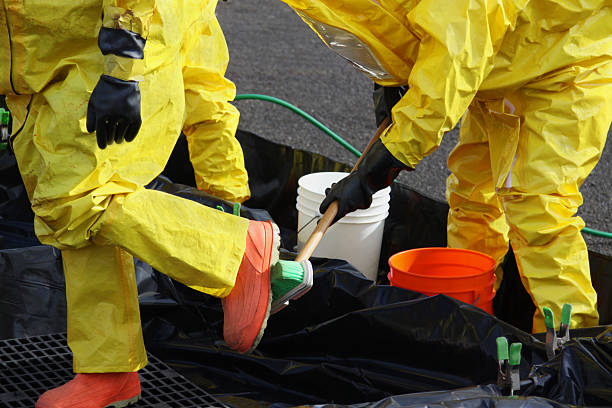
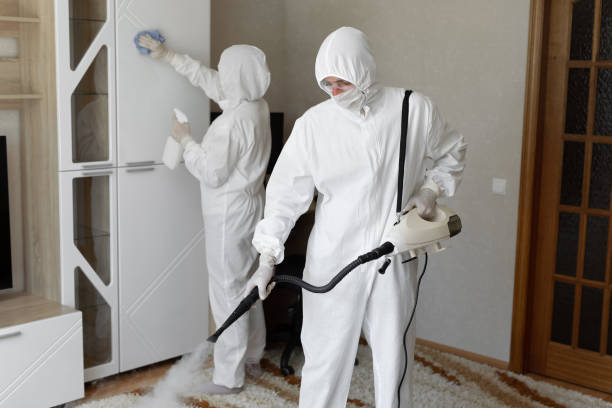
Walk into any home improvement store and you will find dozens of products claiming to eliminate odors. Sprays, plug-ins, candles, enzyme cleaners, baking soda, charcoal — the category is enormous, and for mild, surface-level odors, many of these products provide real short-term relief. But when a Washington property has been affected by a significant odor event — a death and decomposition, a fire, years of pet urine, a mold bloom, or heavy cigarette smoke over decades — these products do not address the fundamental chemistry of what they are up against.
Odors are caused by volatile organic compounds (VOCs): molecules small enough to become airborne and reach the olfactory receptors in the human nose. These molecules are not only in the air — they are embedded in every porous material in the property at the molecular level. A property with years of cigarette smoke has nicotine and tar compounds absorbed into drywall, ceiling tiles, wood trim, carpet backing, and concrete floors. A property with decomposition odor has amino acid breakdown products and sulfur compounds penetrating every surface the volatile particles contacted. Spraying an air freshener applies fragrance molecules on top of these compounds — your nose smells the fragrance until it dissipates, then the odor compounds remain exactly where they were.
Each of our primary treatment technologies works through a different mechanism and is suited to different situations. Ozone treatment produces ozone gas that destroys VOCs by oxidizing their molecular bonds — highly effective and fast, but requires full property vacation. Hydroxyl generation mimics natural atmospheric chemistry, is completely safe during occupancy, and is ideal for ongoing odor situations and occupied buildings. Thermal fogging uses size-matched particles to penetrate porous materials and address embedded odor compounds that cannot be reached by air-phase treatments. For most severe odor situations in Washington properties, we recommend a combined approach: initial ozone treatment to address air-phase odors, followed by thermal fogging for penetration into porous materials, followed by hydroxyl generation for ongoing air quality management during the post-treatment period. Call +1-844-401-0166 to discuss which approach is right for your specific situation.
| Method | Occupancy Safe | Penetrates Porous | Best For |
|---|---|---|---|
| Ozone | Vacate Required | Air Phase Only | Smoke, mold, organic |
| Hydroxyl | Yes — Safe | Air Phase | Occupied spaces, ongoing |
| Thermal Fog | Brief Exit | Deep Penetration | Pet urine, fire smoke |
| HVAC Treatment | After Treatment | Duct Surfaces | System-wide odor |
A systematic approach that targets the source, treats the space, and delivers lasting results.
Our technician inspects your Washington property with moisture meters, UV lights, and borescope tools to locate every odor source. We identify the odor type and intensity, and select the appropriate treatment technology combination for your specific situation.
No treatment succeeds long-term while the source remains active. We remove accessible source materials (soaked carpet pad, contaminated drywall sections), treat surfaces with enzyme applications where appropriate, or apply encapsulant sealers to sources that cannot be removed.
We deploy the selected treatment combination: ozone, hydroxyl generators, thermal fogging, or HVAC deodorization — matched to your odor type and occupancy status. Treatment duration varies by method and severity, from a few hours to several days for severe situations.
Post-treatment, our technician conducts a nose-test and moisture verification to confirm that odor compounds have been eliminated. For severe situations, we offer a written clearance confirmation and schedule a follow-up visit if any trace odor remains — we do not consider the job done until you do.
"We purchased a house in Washington from a 30-year smoker. The smell was embedded in every surface. We tried everything — repainting, new carpet, air purifiers. Nothing worked until Medical Waste Disposal 247 came in with thermal fogging and ozone treatment. The difference was immediate and it has been months without any smell returning."
"Cat urine in a Washington rental property that had been ignored for years. I had two other companies come out and spray enzymatic cleaner — the smell was back within a week each time. Medical Waste Disposal 247 found three hidden sources under the carpet pad that the others missed, removed them, and treated the subfloor. Finally resolved."
"After a kitchen fire in our Washington home, we could not live with the smoke smell even after repairs were done. The contractor rebuilt everything but the smell was still in the HVAC ducts. Medical Waste Disposal 247 treated the duct system and ran thermal fogging throughout — the house finally smells normal again."
"Decomposition odor in a Washington property we managed after a tenant passed away. The smell was severe and we had a new tenant moving in within two weeks. Medical Waste Disposal 247 managed the whole process — explained exactly why ozone was the right choice, vacated the property, treated it, and delivered a clean-smelling unit on schedule."
Our Washington, DC odor elimination teams serve Washington and all surrounding communities with the same science-based, results-guaranteed approach.