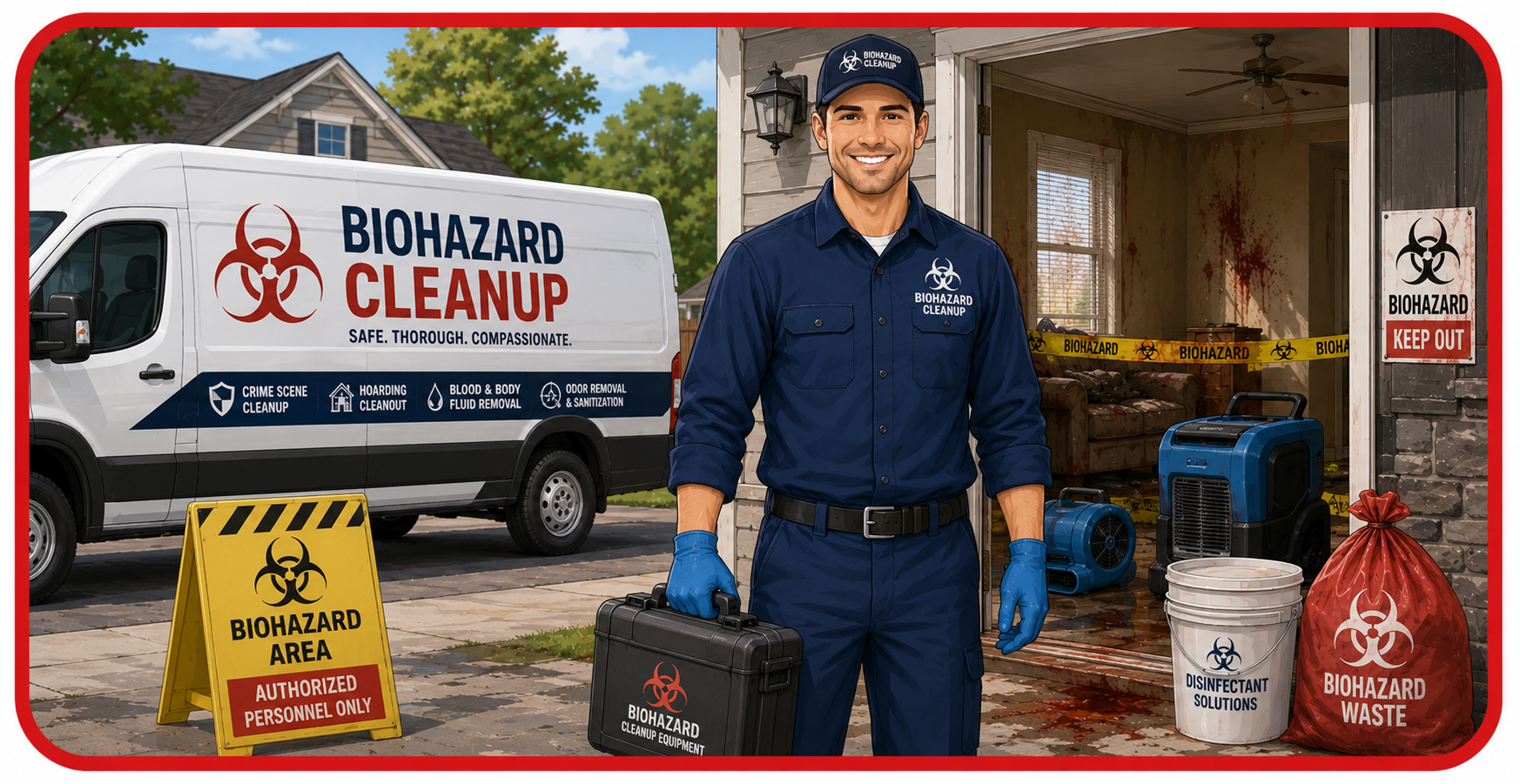
When a confirmed or suspected pathogen exposure occurs, effective decontamination requires more than surface wipes and bleach spray. Our certified specialists bring electrostatic delivery systems, HEPA air scrubbers, verified dwell times, and post-clearance surface testing to every job in Stanton and throughout Stanton, NE.
Surface disinfection is only as effective as its delivery method, contact time, and verification protocol. We get all three right.
Every disinfectant we use appears on the EPA's List N — verified effective against SARS-CoV-2 and a broad spectrum of other pathogens with documented kill claims.
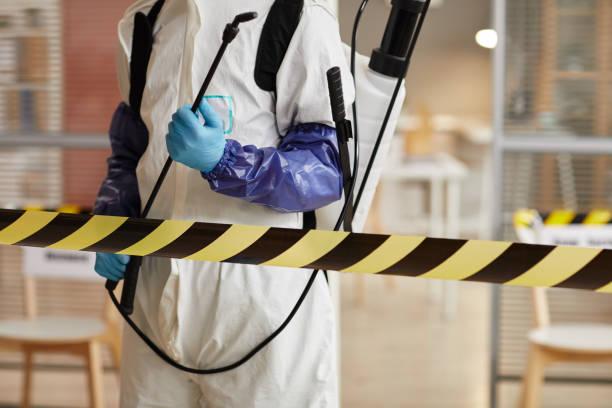
Electrostatic sprayers charge disinfectant droplets, causing them to wrap around surfaces and reach areas that spray bottles and wipes cannot physically contact.
Our decontamination procedures are built on CDC, EPA, and OSHA guidelines for infectious disease control — the same frameworks used by hospitals and healthcare facilities.
We do not leave your facility on faith. Post-decontamination ATP testing verifies that surface pathogen loads are below safe thresholds before we issue clearance.
From initial risk assessment through verified clearance, our process is end-to-end and fully documented.
Effective decontamination begins with knowing what you are dealing with. Our initial assessment identifies the pathogen of concern (or most likely pathogen category if not yet confirmed), evaluates exposure zones and traffic patterns, identifies high-touch surface clusters, and assesses ventilation system risk — HVAC can distribute aerosolized pathogens throughout a building, creating secondary exposure zones beyond the initial incident area. Our written risk assessment guides every subsequent decision.
Conventional spray-and-wipe protocols miss up to 40 percent of surfaces due to physical limitations — technicians cannot physically reach every shadow, underside, and crevice in a real-world environment. Our electrostatic sprayers charge disinfectant particles to 65 kV, causing them to be attracted to and wrap around surfaces with 360-degree coverage, including the undersides of desks, chair legs, door handles, and keyboard surfaces. The result is a more complete and consistent disinfection application compared to manual methods.
Many pathogens, including influenza, COVID-19, and measles, can remain viable as airborne particles for minutes to hours. Our commercial HEPA air scrubbers filter particles as small as 0.3 microns with 99.97 percent efficiency, running continuously during and after the surface decontamination phase to reduce the airborne pathogen load to safe levels. In high-risk environments, we deploy negative air pressure machines to prevent cross-contamination of unaffected zones.
We use ATP (adenosine triphosphate) bioluminescence testing as an objective, immediate post-decontamination verification method. ATP testing detects biological residue on surfaces and provides a quantitative RLU (relative light unit) reading — when readings fall below established thresholds for your facility type, surfaces are confirmed free of viable pathogen load. We test a statistically significant sample of high-risk surfaces and provide written results with your clearance certificate.
In active outbreak scenarios — schools, offices, care facilities in Stanton — establishing proper quarantine zones prevents exposure spread while decontamination is underway. We establish negative pressure corridors where indicated, place physical barriers and signage compliant with local Stanton, NE health department requirements, and coordinate with your operations team on personnel routing to minimize cross-contamination during the decontamination window.
Every infectious disease decontamination project we complete ends with a formal clearance certificate that documents: the pathogen of concern, disinfectants used (EPA registration numbers included), application method, dwell time maintained, areas treated (with square footage), and ATP verification results. This certificate protects your organization legally, satisfies local Stanton, NE health authority requirements, provides documentation for your insurance carrier, and gives employees, students, or residents confidence that the space has been professionally cleared.
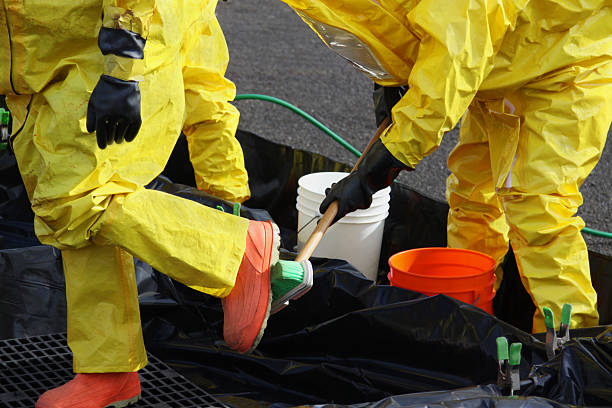
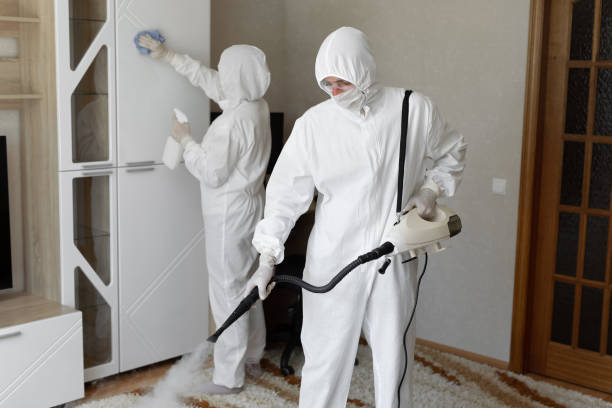
When a school in Stanton notifies parents of a confirmed MRSA case, or a business learns that an employee worked an entire week while infected with a highly contagious respiratory virus, the pressure to reopen quickly is enormous. The temptation is to send in a janitorial crew with bleach spray bottles and declare the problem solved. That approach does not work — and at Medical Waste Disposal 247, we want you to understand exactly why.
First, pathogen kill claims on disinfectants are only valid under very specific conditions: the right product at the right dilution, applied to a pre-cleaned surface (organic matter deactivates most disinfectants), maintained at the proper contact or dwell time. Most consumer-grade disinfectant sprays are wiped off within seconds of application — before the chemical has had sufficient contact time with the target pathogen. Professional decontamination ensures dwell times are achieved before any physical removal occurs.
Second, the delivery method determines coverage. Spray-and-wipe misses surfaces that hands and cloths cannot physically reach in a real workspace — underneath furniture, the backs of door handles, the sides of toilet partitions, keyboard undersides, and shared electronic equipment. Electrostatic sprayers are not a gimmick: the charged particle physics are well-documented and result in measurably greater surface coverage than manual application.
Different pathogens require different disinfectant classes and contact times. MRSA and other antibiotic-resistant bacteria are effectively eliminated by quaternary ammonium compounds and accelerated hydrogen peroxide products at appropriate concentrations. C. difficile, a spore-forming bacterium particularly dangerous in healthcare settings, requires sporicidal agents such as sodium hypochlorite — standard quaternary ammonium disinfectants are ineffective against C. diff spores. Norovirus is notoriously difficult to kill and requires EPA List G disinfectants specifically labeled for norovirus. Our technicians understand these distinctions and select the correct product for each confirmed or suspected pathogen in your Stanton facility.
When you call Medical Waste Disposal 247 at +1-844-401-0166, you will speak with a certified technician — not a call center rep — who will assess your situation, classify the risk level, and dispatch the appropriate team with the right equipment and products for your specific pathogen concern.
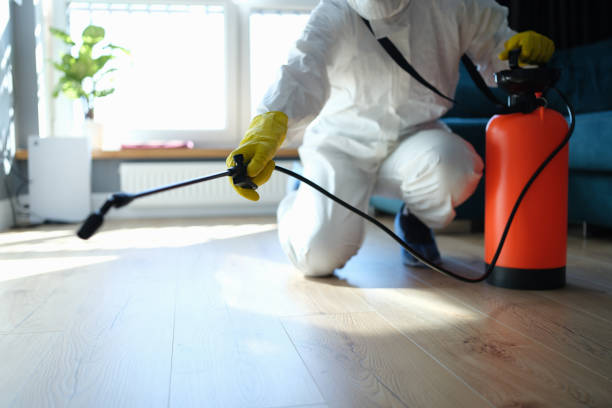
EPA-registered disinfectants achieve their kill claims only when maintained as a wet film on the surface for the required contact period — which ranges from 30 seconds to 10 minutes depending on the product and pathogen. Our technicians time dwell periods and never allow premature removal.
A verified, documented approach that meets the highest standards of pathogen control.
We assess the pathogen, exposure zones, HVAC risk, and surface types. A written decontamination plan is developed, product selection is matched to the specific pathogen, and the appropriate team size and equipment are dispatched to your Stanton location.
Gross contamination is removed under full PPE. Quarantine zones are established. HEPA air scrubbers are positioned to create negative pressure in affected areas, preventing spread of aerosolized particles to clean zones.
EPA-registered disinfectants are applied via electrostatic sprayers for complete surface coverage. Dwell times are timed and documented. High-touch surfaces receive a manual secondary application to ensure contact time requirements are fully met.
ATP surface testing verifies pathogen elimination. HEPA scrubbers complete final air turnover. We issue a formal clearance certificate documenting all products, methods, dwell times, and test results — ready for health authorities, insurers, and stakeholders.
"We had a confirmed MRSA case in our Stanton facility and needed a professional decontamination we could actually document for our staff and legal team. Medical Waste Disposal 247 delivered a thorough clearance certificate with ATP test results. Our HR department and legal counsel were both satisfied."
"As a school principal in Stanton, I needed a company that understood the difference between cleaning and decontamination. After a norovirus outbreak, Medical Waste Disposal 247 came in with the right products, explained exactly why standard bleach spray was insufficient, and provided documentation that satisfied our district administration."
"Following a COVID cluster in our Stanton office, we needed to reopen quickly while protecting our remaining staff. Medical Waste Disposal 247 explained the electrostatic process, answered every technical question our safety officer had, and had the clearance certificate in our hands the same day. Highly professional."
"Our Stanton senior living community had a C. diff concern. We specifically needed a company that understood sporicidal requirements — most companies we called did not even know what we were asking about. Medical Waste Disposal 247 knew immediately, used the correct product class, and provided documentation that satisfied our state health inspector."
Our certified decontamination teams serve Stanton and the surrounding region, available for same-day and next-day response.